
Ideas That Inspire Change.
Sometimes a single question can open up new possibilities.
At Solutions Centre, we stay inspired by people, conversations, and practical ideas that have shaped how we think, listen, and work.
These ideas invite us to notice what is already working, recognize people’s strengths and resources, and explore new possibilities for meaningful change.
Here are stories that have influenced our work—and continue to inspire the conversations we have today.
Seeing What Is: A Conversation with Steve de Shazer.
In 2005, Arnoud Huibers interviewed Steve de Shazer about Solution-Focused Therapy, language, and the influence of philosopher Ludwig Wittgenstein on his thinking. Their conversation centered on a deceptively simple question that remains just as relevant today: What becomes possible when we pay close attention to what people actually say and do?
De Shazer was fascinated by what happens in conversations—observing carefully, listening attentively, and describing what works without adding unnecessary explanations. Rather than searching for hidden meanings behind people’s words, he encouraged professionals to stay close to what clients say, what they want, and what is already happening in their lives.
For professionals, this offers a simple yet powerful invitation: listen carefully to how people describe their preferred future, notice the small signs of what is already working, and remain curious about the details that matter to them.
A question to take with you: What might you notice if you listened more carefully to what is already working?

“Problem talk creates problems, solution talk creates solutions.”
— Steve de Shazer
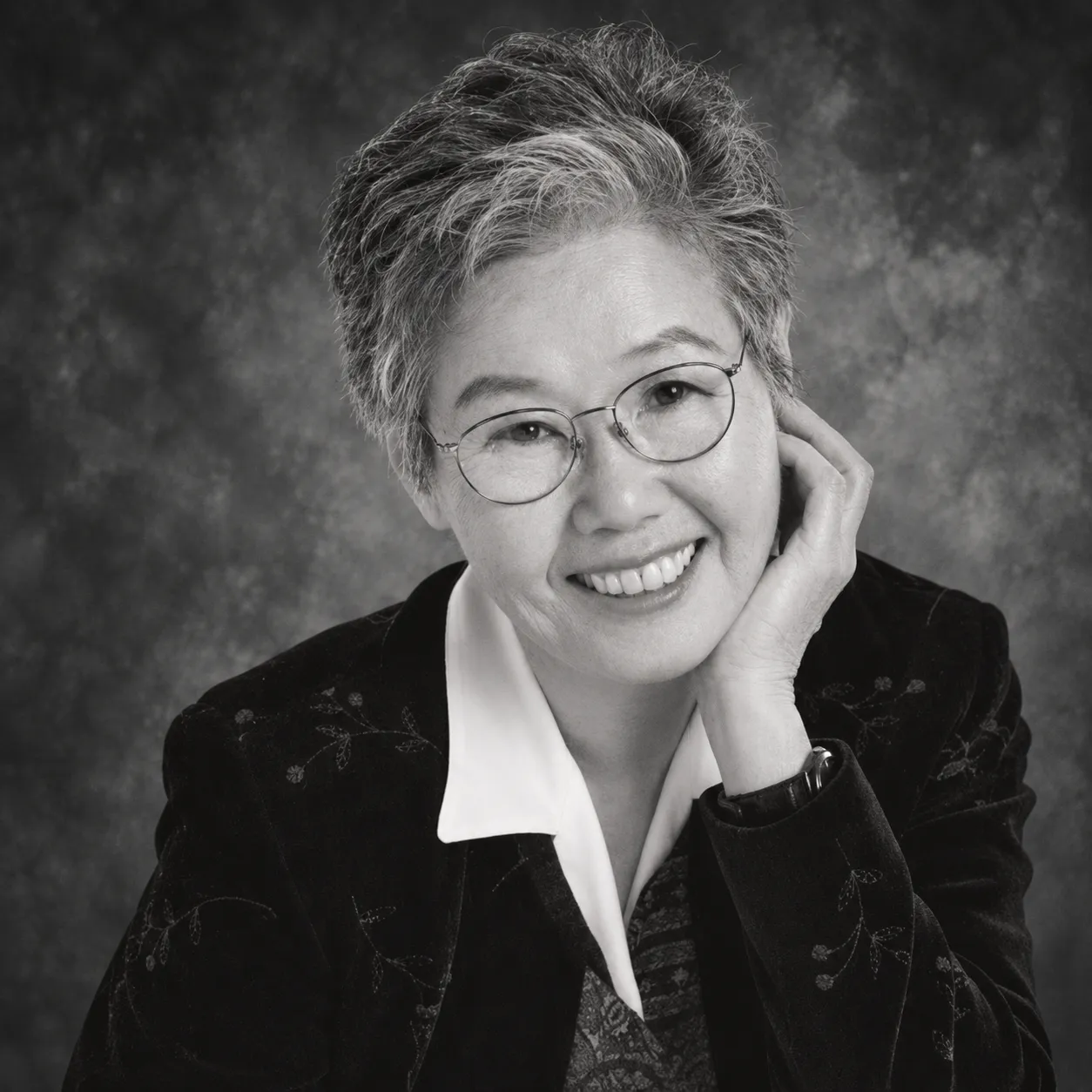
From problems to possibilities: Insoo Kim Berg.
In a filmed conversation with Arnoud Huibers, Insoo Kim Berg explores a central idea of Solution-Focused Practice: what changes when we spend less time analyzing problems and more time discovering what people want instead?
Together with Steve de Shazer and their colleagues at the Brief Family Therapy Center in Milwaukee, Insoo helped develop Solution-Focused Brief Therapy. In 2003, she and Arnoud founded Solutions Centre, bringing that same spirit of curiosity, respect and practical learning into professional training.
Insoo had a remarkable ability to listen for people’s strengths, hopes and possibilities. Her work continues to remind us to take people seriously, notice what they are already doing that helps, and stay curious about the small signs of progress that can point towards a next step.
A question to take with you: What might you discover when you start listening for possibilities?
“That’s a way to see it and there is also another way to see it.”
— Insoo Kim Berg
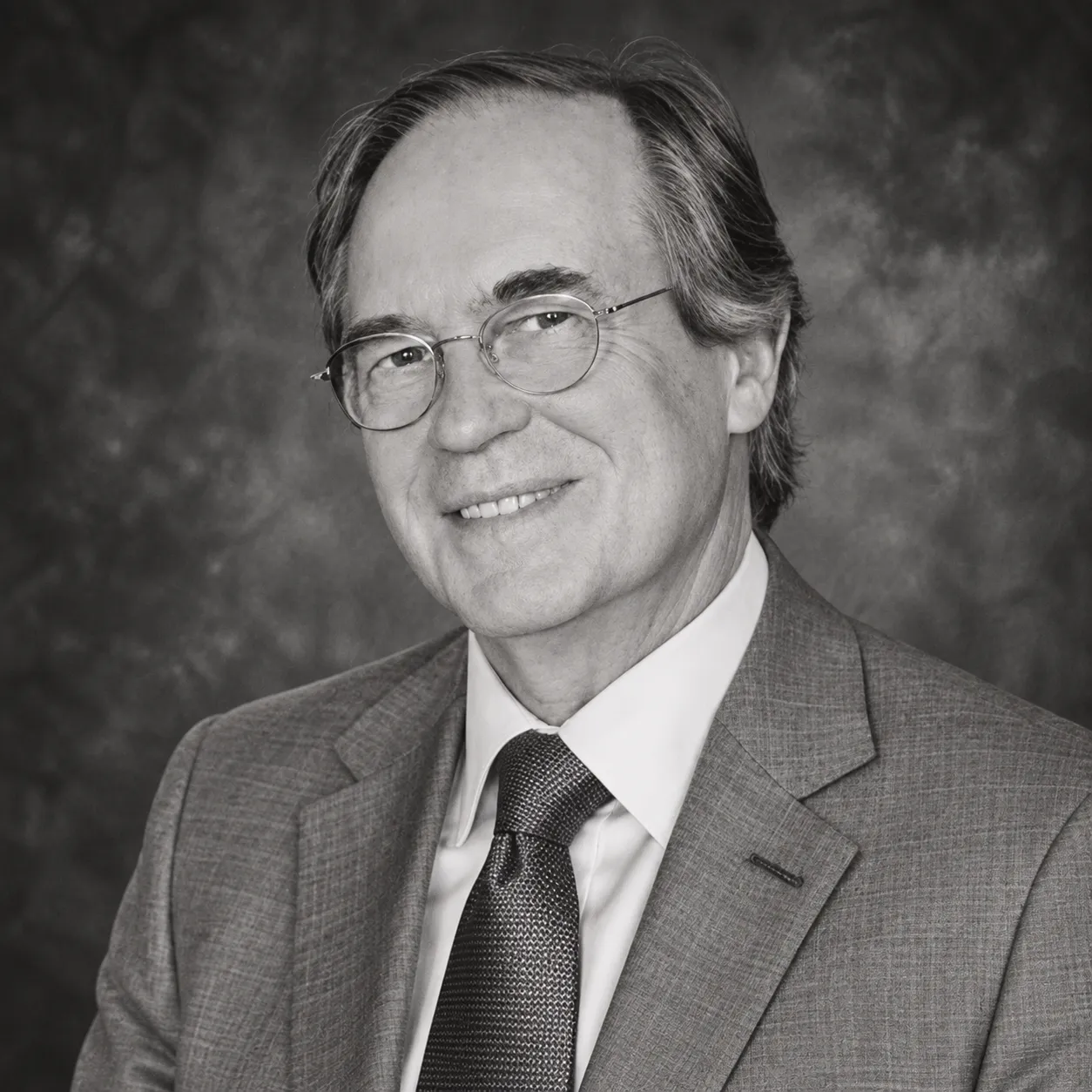
Making Progress Visible: The Solution-Focused Circle Technique.
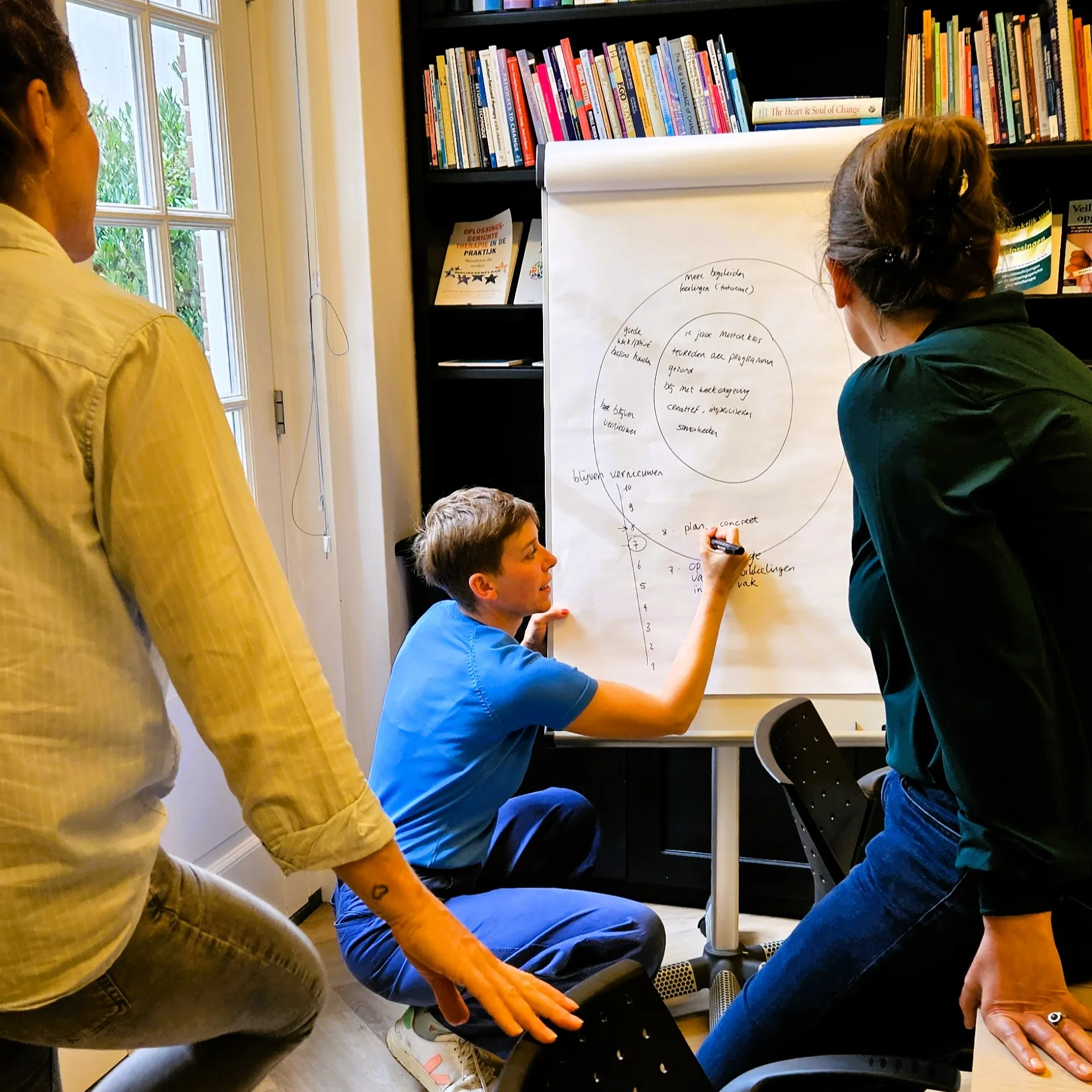
Arnoud Huibers developed the Solution-Focused Circle Technique as a visual, collaborative, and practical way to explore change. It helps people describe their preferred future while making visible the strengths, resources, successful experiences, and signs of progress they already have.
By bringing these elements together, the Circle Technique helps people shift their attention from difficulties to possibilities. Together with the practitioner, they can explore what is already helping, what they can build on, and what a meaningful next step might look like.
The technique offers an opportunity to pause, take stock, and recognize progress that might otherwise go unnoticed. Sometimes, seeing what is already there can open up new possibilities for moving forward.
A question to take with you: What strength, resource, or small sign of progress could you make more visible today?
“When progress becomes visible, possibility begins to grow.”
— Arnoud Huibers
Helping Children Build Skills: Kids’ Skills.
Kids’ Skills, developed by Ben Furman, offers a playful, collaborative, and practical approach to helping children overcome difficulties. Rather than defining children by their problems, it invites them to discover the skills they would like to learn—and encourages parents, teachers, and other important people in their lives to support them along the way.
This simple shift in perspective can open up new possibilities. Instead of focusing on a problem, attention turns to a skill that can be learned, practiced, and celebrated. Children can develop greater confidence and motivation, while the people around them become partners in supporting their progress.
Kids’ Skills reminds us that even a challenging situation can become a starting point for learning, cooperation, and positive change.
A question to take with you: If this difficulty became a skill to learn, what might the child call that skill?
Explore Ben Furman’s Kids’Skills approach on his website: www.kidsskills.org/learn.

“Behind every difficulty lies a skill waiting to be discovered.”
— Ben Furman
The Words We Speak: The Power of Language.
“The words you speak become the house you live in.”
Often attributed to Hafez of Shiraz, the Persian poet (c. 1325–1390).
Hafez of Shiraz was one of Persia’s most celebrated poets, known for his lyrical poetry and his profound reflections on life, love, and human experience. One of Hafez of Shiraz’s best-known works is his Divan, a collection of poems, many of them lyrical poems known as ghazals. This beautiful saying “the words we speak become the house you live in”, reminds us of the importance of language in shaping how we understand ourselves, relate to others, and imagine what might be possible.
In Solution-Focused Practice, we pay close attention to the words people use. A different question, a new description, or a small shift in language can open up possibilities that were previously overlooked.
Words can help people recognize their strengths, describe their hopes, and discover new ways forward.
A question to take with you: What possibilities might open up if you changed the words you use in your conversations?

Noticing What Is Already There: Ludwig Wittgenstein.
“The aspects of things that are most important for us are hidden because of their simplicity and familiarity.”
Ludwig Wittgenstein (1889–1951)
Ludwig Wittgenstein was an Austrian-British philosopher whose influential work on language, meaning, and human understanding profoundly shaped modern philosophy.
His thinking also influenced Steve de Shazer and the development of Solution-Focused Brief Therapy.
Wittgenstein reminds us that what matters most is not always hidden beneath the surface. Sometimes, it is right in front of us, so familiar that we no longer notice it.
In Solution-Focused Practice, this invites us to pay careful attention to the ordinary details of people’s lives: the small things that work, the strengths they already demonstrate, and the moments when difficulties are less present.
Rather than searching for hidden explanations, we can become curious about what people actually say, do, and experience.
A question to take with you: What might you discover if you paid closer attention to what is already there?

Bringing Ideas Into Your Own Practice.
Ideas become meaningful when we put them into practice.
Perhaps one of these stories has sparked a question you would like to ask, something you want to pay closer attention to, or a conversation you might approach a little differently.
You don’t need to change everything. Try one small thing, stay curious about what happens, and build on what works.
Would You Like to Learn More About Our Methods?
Would you like to receive additional information about the methods, training programs or workshops offered by Solutions Centre?
Our team is happy to answer your questions and help you explore which approach or learning experience best matches your professional goals and interests.
For more information you can contact us using the contact form below, send us an email or reach out by phone.