
The Circle Technique: Strengths and Desired Change
A constructive conversation needs room for two questions: what is already working, and what would someone like to see change? The Circle Technique brings both into view.
When a person or team asks for support, the conversation often begins with what is difficult. Those concerns deserve attention. Yet a conversation can also reveal useful experiences, abilities and hopes for the future. The Circle Technique offers a visual way to explore these perspectives together.
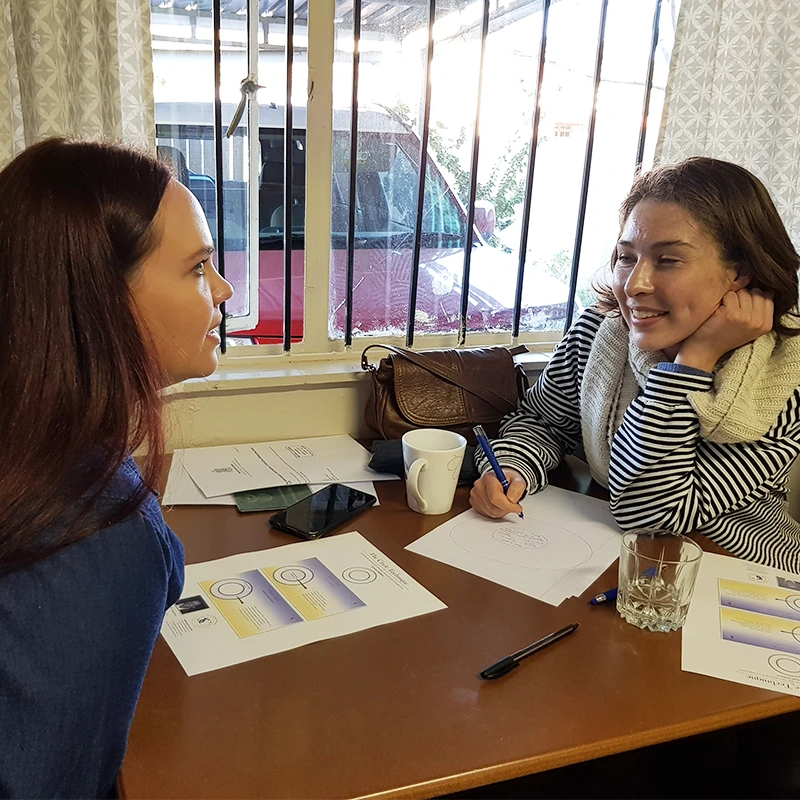
Developed by Arnoud Huibers, the method uses two circles to collect ideas during a solution-focused conversation. It provides a clear overview while leaving space for the person’s own words, examples and priorities.
What goes in the inner circle?
The inner circle focuses on successful experiences and the qualities, knowledge and skills that helped make them possible. A professional might ask: “Can you tell me about a time when this went a little better?” or “What did you do that helped?”
The answers can reveal resources that are easy to overlook. Someone may already know how to build trust, organise a difficult task or keep going when circumstances change. Writing down short key phrases makes those experiences visible and gives the conversation something concrete to build on.
What goes in the outer circle?
The outer circle is for desired changes. Rather than simply listing what should stop, the conversation explores what the person would like to happen instead. What would be different? What would they notice? What might other people notice?
At this stage, the aim is to gather possibilities. The ideas do not need to become a detailed action plan immediately. First, the circles help everyone see a fuller picture of existing strengths and a possible direction for change.
Why use a visual method?
In a spoken conversation, useful details can pass quickly. The circles keep important words and ideas in view. They can help a client, learner or team member recognise their own contribution to progress and choose what deserves further attention.
The method has been used in therapy, coaching, education and work with teams. Its value lies in the conversation around the circles: the questions, examples and shared reflection. It is more than a worksheet to complete.
From strengths towards a next step
Once both circles have taken shape, a new question becomes possible: which existing strength could help with one of the desired changes? That connection can lead to a small, relevant next step grounded in something the person already knows or has done.
Want to learn more about the method and its professional applications? Explore our Methods or discover our Training Programmes.
Our three latest blog posts
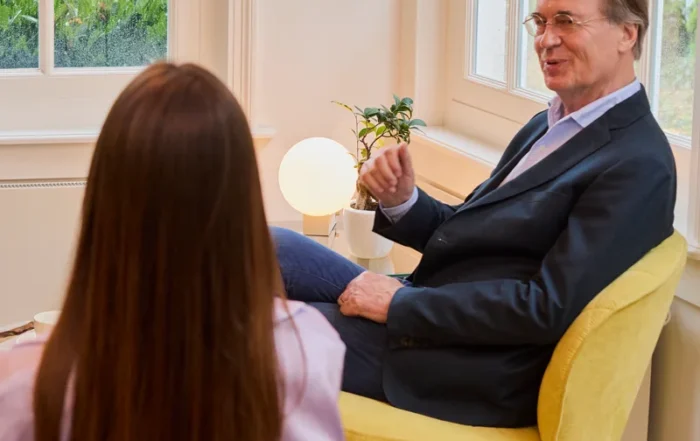
SFADS: reflecting on the working alliance
Learn how SFADS supports reflection on connection, shared direction, agency and progress in solution-focused professional practice.
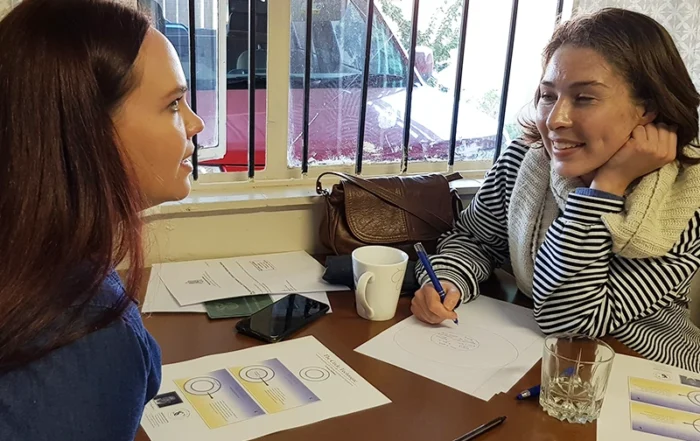
The Circle Technique: Strengths and Desired Change
Discover how the Circle Technique helps professionals explore existing strengths and desired change in a clear, visual conversation.
Solution-Focused World Conference 2027: bringing ideas into practice
On 2 and 3 April 2027, professionals from around the world will gather in Amsterdam for two days of solution-focused learning and exchange. Discover what Solution V has in store.